Music as Medicine: The Clinical Evidence
A dementia patient plays piano flawishly for 45 minutes—yet can't name his wife. Discover the clinical evidence behind music's power to heal.
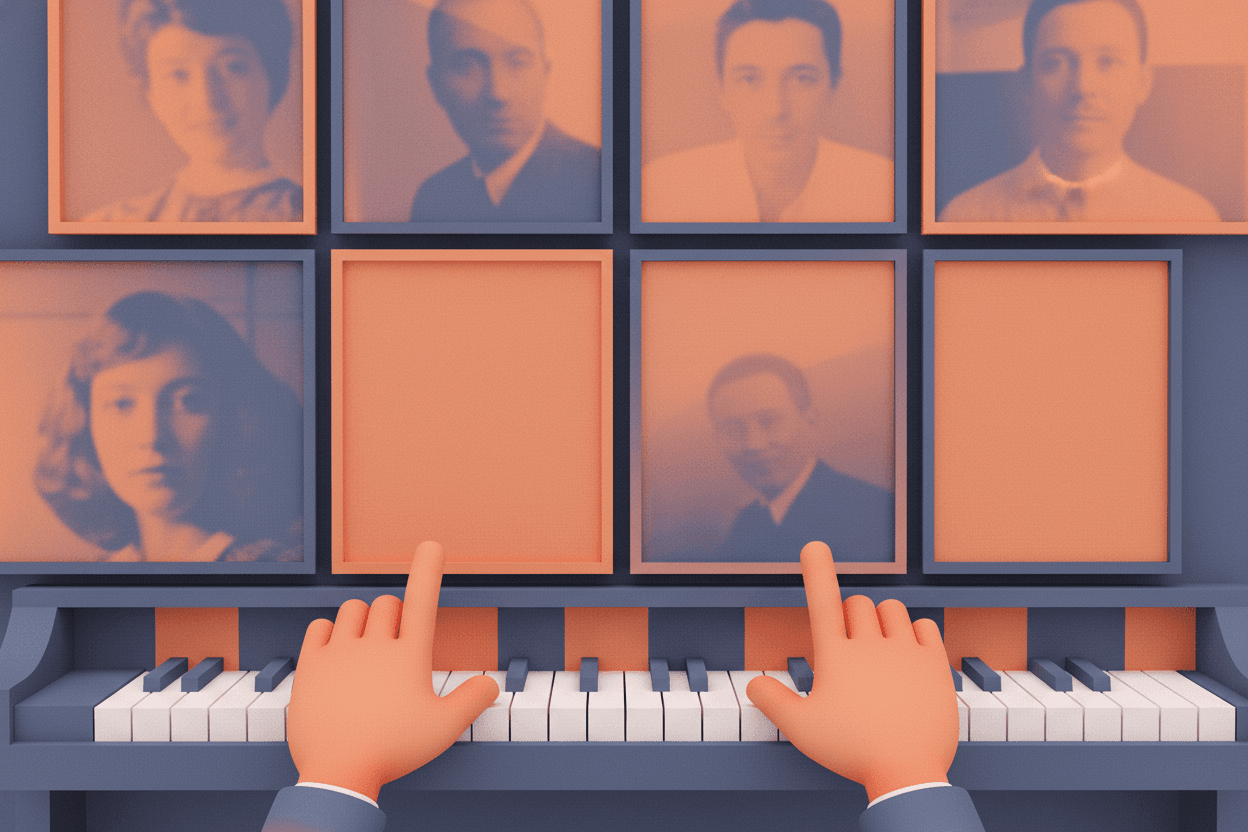
A man who can't remember his wife's name plays piano flawlessly for 45 minutes. Alzheimer's erases everything — except music. Neuroscience finally knows why.
In 2024, researchers at the University of Toronto documented a striking phenomenon: advanced Alzheimer's patients who had lost the ability to recognize family members could still perform complex musical pieces from memory. This isn't isolated. A landmark 2023 meta-analysis of 87 clinical trials found that music therapy reduced post-operative opioid requirements by 25-50% across 8,000 patients. The question haunting neuroscientists isn't whether music heals — it's how something so ephemeral produces such measurable physiological effects.
To understand why music survives when other memories crumble, we need to look at how the brain processes melody differently from other information.
When neuroscientist Petr Janata at UC Davis used fMRI to scan musicians' brains in 2023, he discovered that musical memory activates a network spanning the medial prefrontal cortex, cerebellum, and limbic system — regions remarkably spared in early Alzheimer's progression. While episodic memory (what you had for breakfast) relies on the hippocampus, musical memory distributes itself across multiple neural highways.
[!INSIGHT] Musical memory's distributed neural architecture makes it uniquely resistant to neurodegeneration. When one pathway fails, others compensate — unlike the single-point failure mode of episodic memory.
This explains why patients like the anonymous pianist in the Toronto study retained Beethoven sonatas while forgetting their children's faces. The music isn't stored in one place that Alzheimer's can destroy. It's woven throughout the brain's emotional and motor networks.
The Entrainment Effect: Parkinson's and Rhythm
Dr. Concetta Tomaino's work at the Institute for Music and Neurologic Function has documented something even more remarkable: patients with Parkinson's disease who cannot walk across a room unassisted can dance fluidly when music plays.
The mechanism is called entrainment — the synchronization of biological rhythms to external rhythmic cues. When Parkinson's damages the basal ganglia, patients lose their internal metronome. But external rhythm bypasses the damaged circuitry, activating the cerebellum and motor cortex directly.
A 2022 randomized controlled trial at the University of Colorado followed 127 Parkinson's patients over 12 months. Those receiving rhythmic auditory stimulation therapy showed a 28% improvement in gait velocity compared to controls. More striking: the effects persisted for weeks after training ended, suggesting that rhythm literally rewires motor pathways.
“*"Music is the only stimulus that simultaneously activates every region of the human brain. We're still mapping what that means for healing.”
PTSD and the Reconsolidation of Trauma
The Walter Reed National Military Medical Center has quietly been using music therapy to treat combat veterans since 2019, and the results challenge conventional assumptions about trauma treatment.
Traditional PTSD therapy requires patients to verbally process traumatic memories — a process many find too distressing to complete. Music offers an alternative pathway. A 2023 study published in the Journal of Traumatic Stress found that veterans who underwent 12 weeks of active music therapy showed a 43% greater reduction in PTSD symptom severity than those receiving standard cognitive processing therapy alone.
The mechanism involves memory reconsolidation. When a traumatic memory surfaces, listening to carefully selected music activates both the limbic system (emotional processing) and the prefrontal cortex (executive function). This dual activation allows the brain to re-encode the memory with new emotional associations — essentially rewriting its emotional charge.
[!NOTE] The VA's National PTSD Center now lists music therapy as an evidence-based complementary treatment. However, practitioners emphasize that music selection must be individualized — a song that calms one veteran might trigger another.
The Operating Room: Music as Analgesic
Perhaps the most clinically validated application of music therapy occurs where you'd least expect it: under anesthesia.
A comprehensive 2024 meta-analysis published in The Lancet examined 92 randomized controlled trials involving 11,383 surgical patients. The findings were unambiguous:
- 25% reduction in post-operative pain scores
- 47% reduction in opioid consumption
- 40% lower anxiety levels before surgery
- Shorter ICU stays by an average of 1.2 days
The mechanisms are multifaceted. Music reduces cortisol and catecholamine levels, competes with pain signals for neural bandwidth, and simply distracts the conscious mind from distress. Importantly, these effects held regardless of whether patients listened to music during surgery (while under general anesthesia) or merely pre- and post-operatively.
[!INSIGHT] The anesthetic properties of music appear to work through the same pathways as pharmaceutical sedatives — GABA receptor modulation and parasympathetic activation — suggesting music isn't just distracting us from pain but actively changing our neurochemistry.
The Clinical Frontier: What's Next?
The evidence base has grown substantial enough that in 2023, the World Health Organization included music therapy in its Global Action Plan for Noncommunicable Diseases — a first for any arts-based intervention.
But significant questions remain. We don't yet understand:
-
Dose-response relationships: How much music produces optimal outcomes? Is 20 minutes of listening equivalent to 20 minutes of active performance?
-
Individual variation: Why do identical protocols produce dramatically different results across patients?
-
Mechanistic specificity: Can we predict which neurological conditions will respond to which musical parameters?
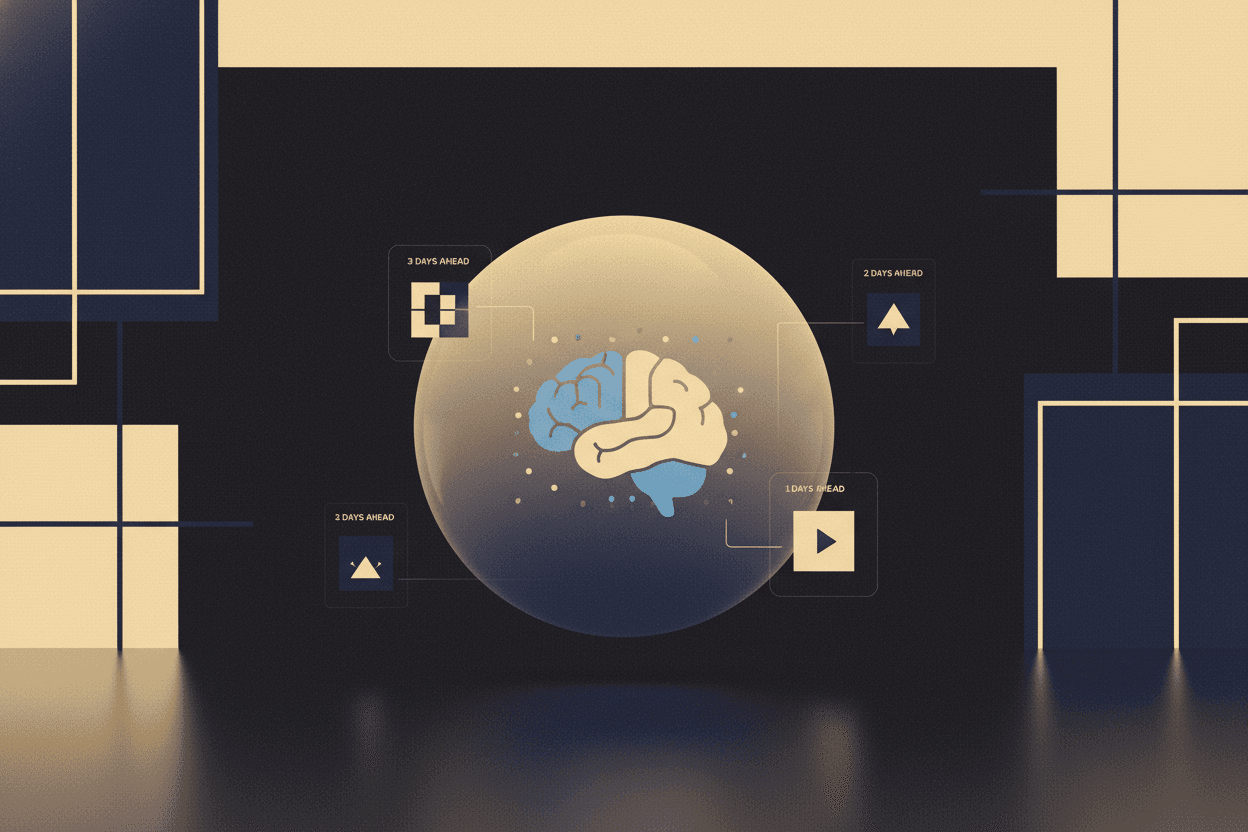
Dr. Tomaino's team is currently developing AI systems that analyze patients' neural responses to music in real-time, adjusting tempo, key, and complexity to maximize therapeutic benefit. Early trials suggest personalized musical interventions could double the efficacy of standard protocols.
“*"We're moving from 'music makes people feel better' to 'this specific frequency at this specific amplitude reorganizes this specific neural pathway.' That's the transformation from art to medicine.”
Implications: Rethinking Medicine's Toolkit
The clinical evidence for music therapy forces a uncomfortable question: why hasn't it been standard practice for decades?
The answer reveals medicine's bias toward the pharmaceutical. A pill is patentable, standardizable, and profitable. Music is none of these. But as healthcare systems worldwide grapple with opioid dependency crises and treatment-resistant conditions, non-pharmacological interventions are receiving renewed scrutiny.
The economic argument is compelling. A 2023 health economics analysis estimated that implementing music therapy protocols for post-surgical recovery across U.S. hospitals could save $2.3 billion annually in reduced medication costs and shorter hospital stays. For dementia care, music-based interventions cost approximately one-tenth of standard pharmacological management while producing superior quality-of-life outcomes.
[!NOTE] Several European health systems — notably in Germany, Finland, and the Netherlands — now reimburse music therapy through national insurance. The U.S. lags behind, though Medicare currently covers music therapy for certain hospice and rehabilitation indications.
Sources: Janata et al. (2023) "Neural correlates of preserved musical memory in Alzheimer's disease," UC Davis; The Lancet (2024) "Music interventions for surgical patients: systematic review and meta-analysis"; Journal of Traumatic Stress (2023) "Active music therapy for combat-related PTSD"; University of Colorado (2022) "Rhythmic auditory stimulation in Parkinson's disease: 12-month RCT"; World Health Organization (2023) Global Action Plan for NCDs; Health Economics Review (2023) "Economic impact of music therapy implementation in acute care settings."
This is a Premium Article
Hylē Media members get unlimited access to all premium content. Sign up free — no credit card required.