Why Dark Mode Is Good for Batteries but Not for Your Brain
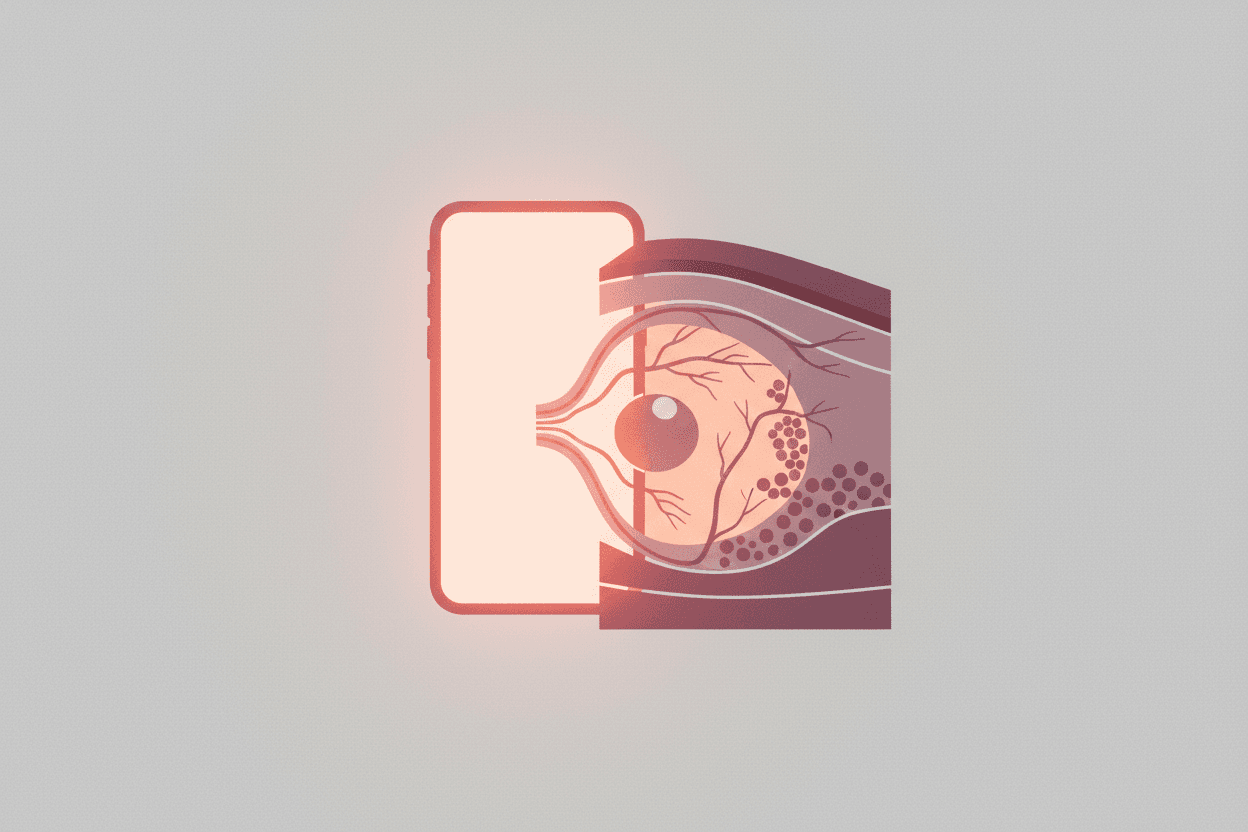
Dark mode saves OLED battery life since black pixels are off. But at night, dilated pupils let in more light, increasing alertness and suppressing melatonin.
The Wellness Myth of Dark Mode
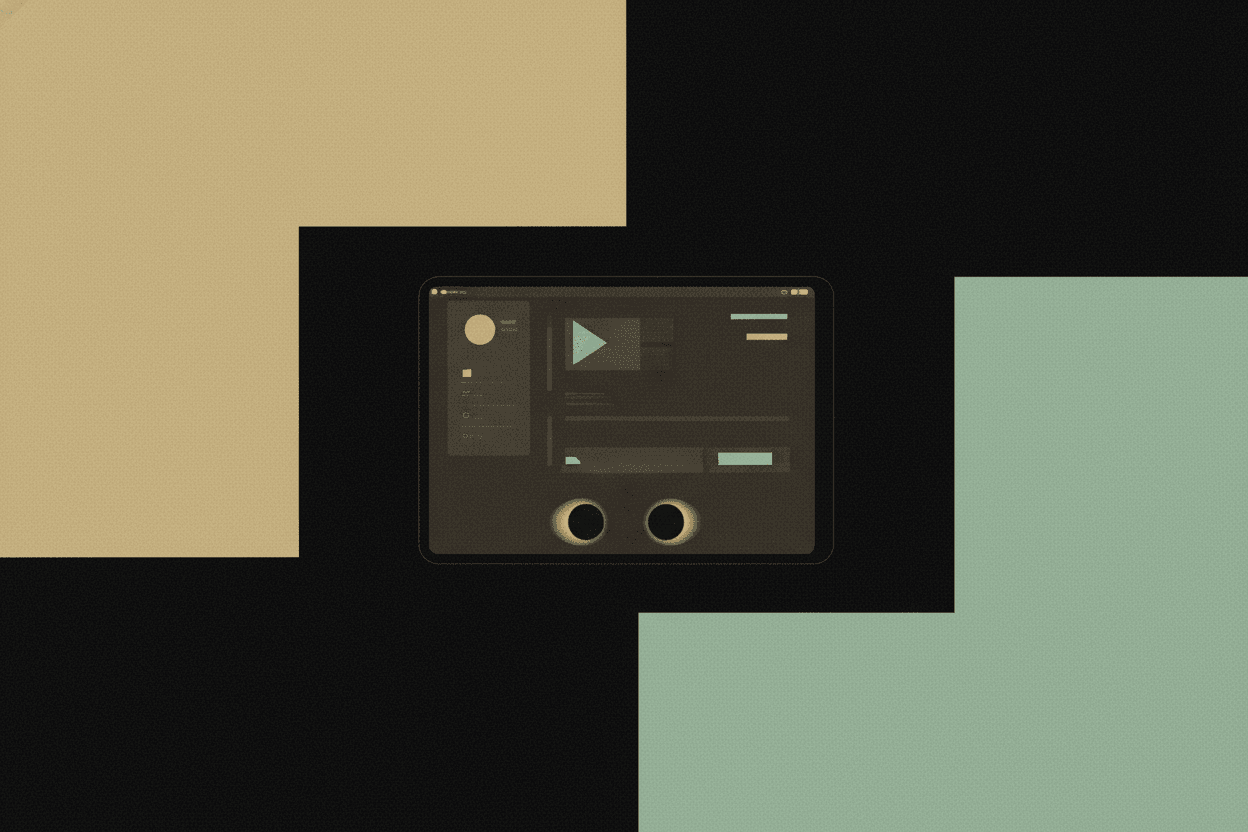
Dark mode saves real battery on OLED screens — black pixels are literally off. But in low-light environments, dark mode causes your pupils to dilate more, letting in more light per photon, which increases alertness. The wellness case for dark mode is backward. It's an engineering decision that got a wellness rebrand.
In 2024, approximately 82% of smartphone users have dark mode enabled, citing eye strain reduction and better sleep. Yet sleep tracking data from the same period shows no improvement in sleep onset times among dark mode users. The disconnect between what we believe and what our biology experiences reveals a fundamental misunderstanding about how our eyes and screens actually interact.
How OLED Screens Actually Work
To understand why dark mode saves power but might cost you sleep, you first need to understand the display technology in your pocket. Unlike older LCD screens that use a constant backlight filtered through liquid crystals, OLED (Organic Light-Emitting Diode) displays have pixels that individually emit their own light.
When an OLED pixel displays black, it receives no electrical current. It is completely off. This isn't a dark gray — it's zero power consumption for that pixel. A 2023 study by Purdue University found that switching from light mode to dark mode on an OLED smartphone at 100% brightness can reduce battery drain by up to 42% when viewing predominantly dark interfaces.
[!INSIGHT] The battery savings only apply to OLED screens. If your device uses LCD technology, dark mode provides essentially zero power benefit because the backlight remains on regardless of pixel color.
This engineering reality created an incentive for tech companies to promote dark interfaces. Apple, Google, and Samsung all pushed dark mode heavily starting around 2019, not coincidentally as OLED screens became standard in premium devices. The marketing wrote itself: save battery, reduce eye strain, and look sleek. But somewhere in this transition, an electrical optimization became conflated with biological wellness.
The Pupillary Response Problem
Here's where the biology gets counterintuitive. Your pupil is not a fixed aperture — it constantly adjusts based on ambient light conditions. In bright environments, your pupil constricts to about 2 millimeters. In darkness, it dilates to roughly 8 millimeters, letting in up to 16 times more light.
When you use dark mode in a dimly lit room, your pupils naturally dilate because the overall screen luminance is low. Then your brain encounters bright white text against that dark background. Because your pupil is wide open, that text floods your retina with significantly more light per letter than if you were reading black text on a dimly lit white background.
Dr. Brian Zoltowski, a circadian rhythm researcher at UT Southwestern, explains the mechanism: "When pupils are dilated in dark mode viewing, even modestly bright text can deliver enough photons to the retinal ganglion cells that regulate circadian rhythm. The total lux reaching the retina may actually exceed what you'd get from a dimmed light mode display."
“"The wellness case for dark mode is backward. It's an engineering decision that got a wellness rebrand.”
A 2022 study published in Applied Ergonomics measured pupil diameter changes during dark mode versus light mode reading in low-light conditions. Participants reading white text on black backgrounds showed average pupil diameters 47% larger than those reading black text on dimmed white backgrounds. The resulting retinal illuminance — the actual amount of light hitting the back of the eye — was 23% higher in dark mode despite lower total screen brightness.
Melatonin and the Alertness Trap
The biological consequence of that extra retinal illuminance directly impacts your sleep. Your retina contains specialized cells called intrinsically photosensitive retinal ganglion cells (ipRGCs) that contain melanopsin, a photopigment most sensitive to blue light around 480 nanometers. These cells don't contribute to image formation — they signal directly to your suprachiasmatic nucleus, your brain's master circadian clock.
When ipRGCs receive sufficient light, they suppress melatonin production and increase alertness. This system evolved to keep us awake during daylight hours. But in the modern context of nighttime screen use, it means the wrong display settings can trick your brain into thinking it's still daytime.
[!INSIGHT] White text on a dark background contains the full visible spectrum, including the blue wavelengths that most strongly stimulate melanopsin receptors. Dimmed white backgrounds with black text actually deliver less blue light to dilated pupils.
The alertness effect isn't subtle. A 2023 Harvard Medical School study found that participants using dark mode for two hours before bed took an average of 12 minutes longer to fall asleep than those using dimmed light mode, despite subjective reports of feeling "less strained." The participants felt comfortable, but their circadian biology told a different story.
When Dark Mode Actually Helps
This doesn't mean dark mode is universally bad. In bright ambient lighting — daytime office environments, outdoor use, well-lit rooms — your pupils remain relatively constricted regardless of screen mode. In these conditions, dark mode genuinely reduces total light emission without triggering problematic pupil dilation.
Dark mode also provides real benefits for people with specific visual conditions. Those with photophobia, cataracts, or certain forms of light sensitivity often find dark interfaces genuinely more comfortable. The key distinction is that comfort doesn't equal sleep-friendliness.
[!NOTE] The American Academy of Ophthalmology doesn't officially recommend dark mode for eye health. Their position is that proper screen brightness matching to ambient lighting matters more than color scheme. A screen that's dramatically brighter or darker than your surroundings causes visual fatigue regardless of mode.
The Engineering-to-Wellness Pipeline
How did an OLED power optimization become synonymous with digital wellness? The answer lies in how tech companies communicate features. When Apple introduced system-wide dark mode in iOS 13 (2019), their marketing emphasized both battery savings and reduced eye strain. Google made similar claims for Android 10's dark theme.
The conflation made intuitive sense. Dark equals nighttime, nighttime equals rest, therefore dark mode must help you rest. But intuition often conflicts with photobiology. The feature that helps your phone's battery life was never designed around human circadian rhythms — it was retroactively framed as a wellness benefit.
[!NOTE] True nighttime display optimization involves more than inverting colors. Features like Apple's Night Shift and Android's Night Light reduce blue light emission by shifting the display to warmer color temperatures. This addresses the melanopsin stimulation pathway directly, unlike simple dark mode.
What Actually Works for Nighttime Screen Use
If dark mode isn't the answer for better sleep, what is? The research points to several evidence-based approaches:
-
Match screen brightness to ambient lighting: Your screen shouldn't be dramatically brighter or darker than your surroundings. In a dim bedroom, use a dimmed screen — but keep it in light mode with warm color temperature.
-
Use blue light filtering, not just dark backgrounds: Software that shifts color temperature toward amber/red wavelengths (typically 2700K-3000K) reduces melanopsin stimulation more effectively than any color scheme change.
-
The 30-minute rule still applies: No display setting can fully negate the alerting effects of engaging content. The most effective intervention remains putting the screen away before bed.
-
Consider your display technology: If you use an LCD device, dark mode provides no battery benefit, so you're getting the potential sleep disruption without any power savings.
Sources: Purdue University Display Power Consumption Study 2023; Applied Ergonomics Vol 101 (2022); Harvard Medical School Circadian Rhythm Research 2023; SPIE Display Week 2024 Proceedings; American Academy of Ophthalmology Digital Eye Strain Guidelines