Depression Is Not a Chemical Imbalance
The 2022 serotonin review shattered 50 years of depression dogma. What really causes mental illness, and why do antidepressants still work for some?
The Day the Serotonin Theory Died
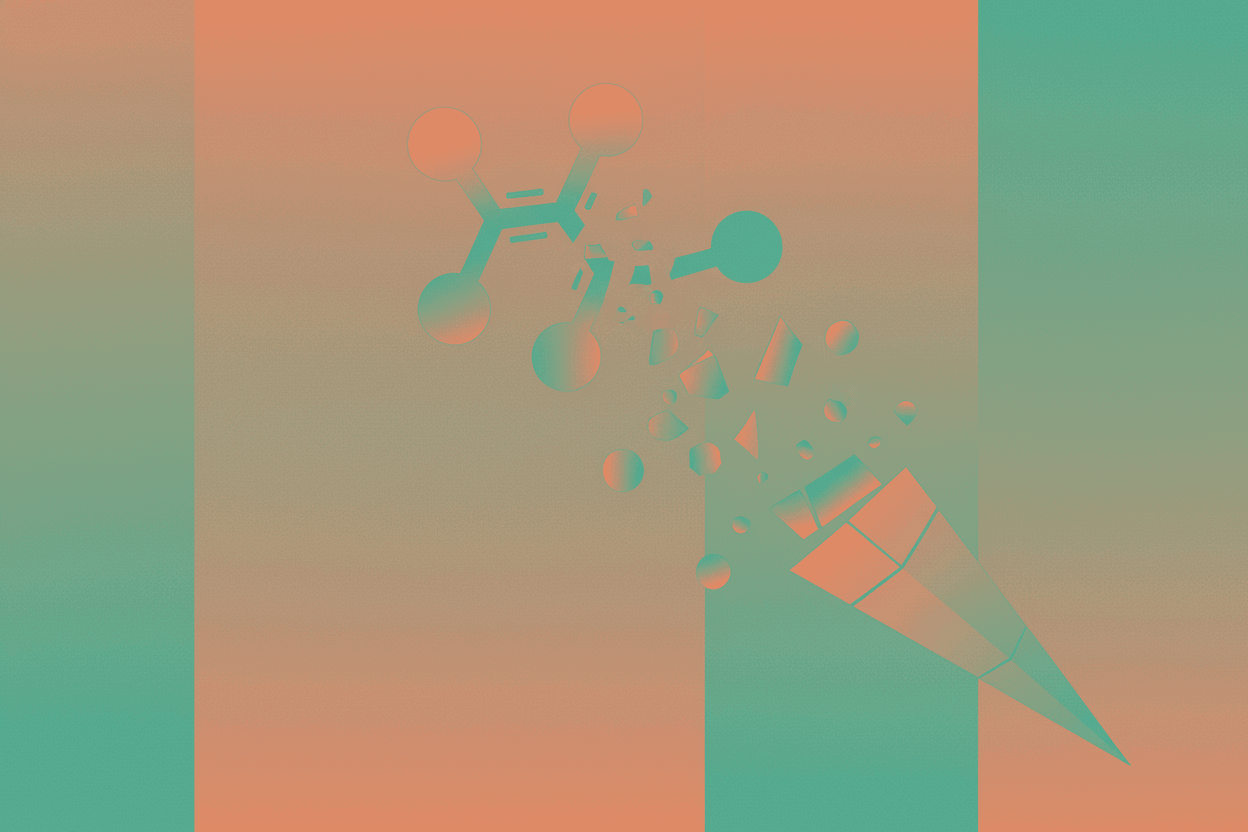
In 2022, the largest review of serotonin research concluded there is no convincing evidence that depression is caused by low serotonin. 50 years of marketing. Wrong. The University College London meta-analysis, published in Molecular Psychiatry, examined 361 studies spanning decades and found no significant difference in serotonin levels between depressed and healthy individuals. The chemical imbalance theory—that elegant, simplified explanation printed on pharmaceutical brochures and repeated in doctor's offices worldwide—had crumbled under scientific scrutiny.
But here's the uncomfortable paradox that psychiatry now faces: if depression isn't caused by low serotonin, why do selective serotonin reuptake inhibitors (SSRIs) help roughly 30-40% of patients? The medications work, just not for the reasons we told ourselves. This isn't merely an academic correction—it's a fundamental reckoning with how we understand, treat, and talk about mental illness.
The implications extend far beyond the clinic. For half a century, patients were told their suffering had a simple biological cause, like diabetes and insulin. What does it mean that this story was wrong?
The Rise and Fall of a Beautiful Theory
The serotonin hypothesis emerged in the 1960s, pieced together from serendipitous observations. Researchers noticed that certain drugs that increased serotonin levels seemed to elevate mood, while compounds that depleted serotonin could trigger depressive symptoms. It was circumstantial evidence, but in the absence of better explanations, it hardened into orthodoxy.
Pharmaceutical companies recognized the theory's power. If depression was a chemical deficiency, then pills could restore balance. The metaphor was intuitive, comforting, and marketable. By the 1990s, Prozac had become a cultural phenomenon, and the chemical imbalance narrative was embedded in medical education, advertising campaigns, and public consciousness.
[!INSIGHT] The chemical imbalance theory was never a conspiracy—it was a convenient oversimplification that outpaced the evidence. Scientists always knew the picture was more complex, but the simple story proved remarkably sticky.
The 2022 UCL review systematically dismantled every pillar of the serotonin hypothesis. Studies comparing serotonin metabolites in cerebrospinal fluid found no consistent differences. Research on serotonin receptors revealed contradictory findings. Even genetic studies examining the serotonin transporter gene—long implicated in depression vulnerability—showed no meaningful association. The evidence was unambiguous: depression cannot be reduced to a serotonin shortage.
“"The serotonin theory of depression is comparable to the masturbatory theory of insanity. It has the same quality of a self-serving myth.”
Why SSRIs Still Work
If serotonin isn't depleted in depression, how do we explain SSRI efficacy? The answer lies in understanding what these drugs actually do versus what we assumed they did.
SSRIs don't simply refill a depleted chemical. They increase synaptic serotonin availability within hours, yet antidepressant effects take weeks to manifest. This time gap puzzled researchers for decades. We now understand that elevated serotonin triggers cascading effects: neuroplasticity increases, stress hormone systems regulate, inflammatory markers decrease, and neural circuits gradually reorganize.
The medication may be a chemical intervention, but its therapeutic benefit appears to be primarily psychological and neurological—facilitating conditions where recovery becomes possible rather than correcting a specific deficit. For some patients, this biological nudge combined with therapy, life changes, or simple time produces genuine improvement.
The Biopsychosocial Reality
Depression, we now understand, emerges from a complex interplay of factors: genetic vulnerability, early life adversity, chronic stress, social isolation, inflammatory processes, lifestyle factors, and meaningful existential circumstances. The biopsychosocial model—long dismissed as vague—has been vindicated by the serotonin evidence's absence.
[!NOTE] Inflammatory markers are elevated in approximately 30-40% of depressed patients, suggesting that for a substantial subset, depression may be better understood as an immune system dysregulation than a neurotransmitter deficiency.
Consider the social determinants. Poverty increases depression risk by two to three times. Loneliness is as physiologically damaging as smoking 15 cigarettes daily. Childhood trauma produces lasting changes in stress response systems. These aren't secondary complications—they're often primary causes. A chemical model cannot capture why economic precarity or bereavement triggers depressive episodes, nor should it try.
The most honest answer to "what causes depression" is: it depends. For one person, it might be chronic inflammation following an infection. For another, trapped circumstances and learned helplessness. For another, genetic variants affecting stress hormone regulation. Depression is almost certainly not one illness but a syndrome with multiple pathways—what clinicians call heterogeneous etiology.
Implications for Treatment and Trust
The serotonin myth's collapse raises difficult questions about informed consent. Millions took medications believing they corrected a documented deficiency. The gap between marketing and evidence—and the delay between scientific doubt and public correction—represents a failure of medical communication that demands reckoning.
Yet demonizing antidepressants would be equally misguided. SSRIs provide real relief for millions, even if their mechanism was misunderstood. The review does not invalidate medication as a treatment option—it invalidates a reductive explanation that narrowed our understanding of mental health. Patients deserve accurate information about what medications can and cannot do, delivered without paternalistic oversimplification.
The path forward embraces complexity. Personalized medicine approaches are identifying subgroups who respond to specific interventions. Anti-inflammatory treatments show promise for the inflammation-associated depression subset. Psychedelic-assisted therapy, ketamine, and other novel approaches target entirely different mechanisms. The future of depression treatment is not one magic molecule but a diversified toolkit matched to individual presentations.
Sources: Moncrieff J, et al. (2022). "The serotonin theory of depression: a systematic umbrella review of the evidence." Molecular Psychiatry, 28(1), 3243-3256. World Health Organization Depression Statistics (2023). American Psychiatric Association Practice Guidelines. Healy D. (2015). "Serotonin and Depression." BMJ.