The Dopamine Fast: Science or Silicon Valley Mythology?
Dopamine fasting went viral in 2019, yet zero peer-reviewed studies validate it. The neuroscience beneath the trend reveals what actually works—and what's pure biohack theater.
Hyle Editorial·
The 'dopamine fast' craze has zero peer-reviewed evidence. But the neuroscience it's clumsily gesturing at is real — and the actual protocol looks nothing like a Silicon Valley cleanse. In 2019, a small group of tech workers in San Francisco began abstaining from everything pleasurable: no food, no conversation, no phone, no sex. They called it "dopamine fasting." Within months, the practice had spread through venture capital circles, earned coverage in the New York Times, and spawned a mini-industry of coaches charging hundreds of dollars for guidance. The premise was seductively simple: your brain's reward system is overstimulated, and only radical deprivation can reset it.
But here's what no influencer mentioned: a search of PubMed in 2024 returns exactly zero peer-reviewed studies on "dopamine fasting" as an intervention. The entire movement rests on extrapolation, anecdote, and a fundamental misunderstanding of how dopamine actually functions in the human brain. So why do some practitioners swear by it? And what does legitimate neuroscience say about controlling reward-driven behavior?
To understand why dopamine fasting is neuroscience-adjacent rather than evidence-based, we need to first dismantle the popular myth of dopamine as the "pleasure molecule." This oversimplification has caused enormous confusion.
Dopamine is not pleasure. Dopamine is anticipation. It's the neurochemical of wanting, not liking. When you scroll social media, check your email, or open the fridge, dopamine spikes before the reward—not during it. This distinction, established rigorously by Kent Berridge's research at the University of Michigan, explains why addiction feels compulsive rather than enjoyable. Addicts don't necessarily enjoy their drug; they can't stop wanting it.
[!INSIGHT] The wanting/liking distinction fundamentally changes how we think about behavioral interventions. Reducing pleasure won't fix compulsion—you need to disrupt the anticipation circuit.
Dopamine serves multiple functions beyond reward anticipation: it's critical for motor control (Parkinson's disease involves dopamine neuron death), working memory, and cognitive flexibility. The idea that you could "fast" from a neurotransmitter that regulates basic movement reveals how biologically incoherent the trend is.
The Receptor Sensitivity Question
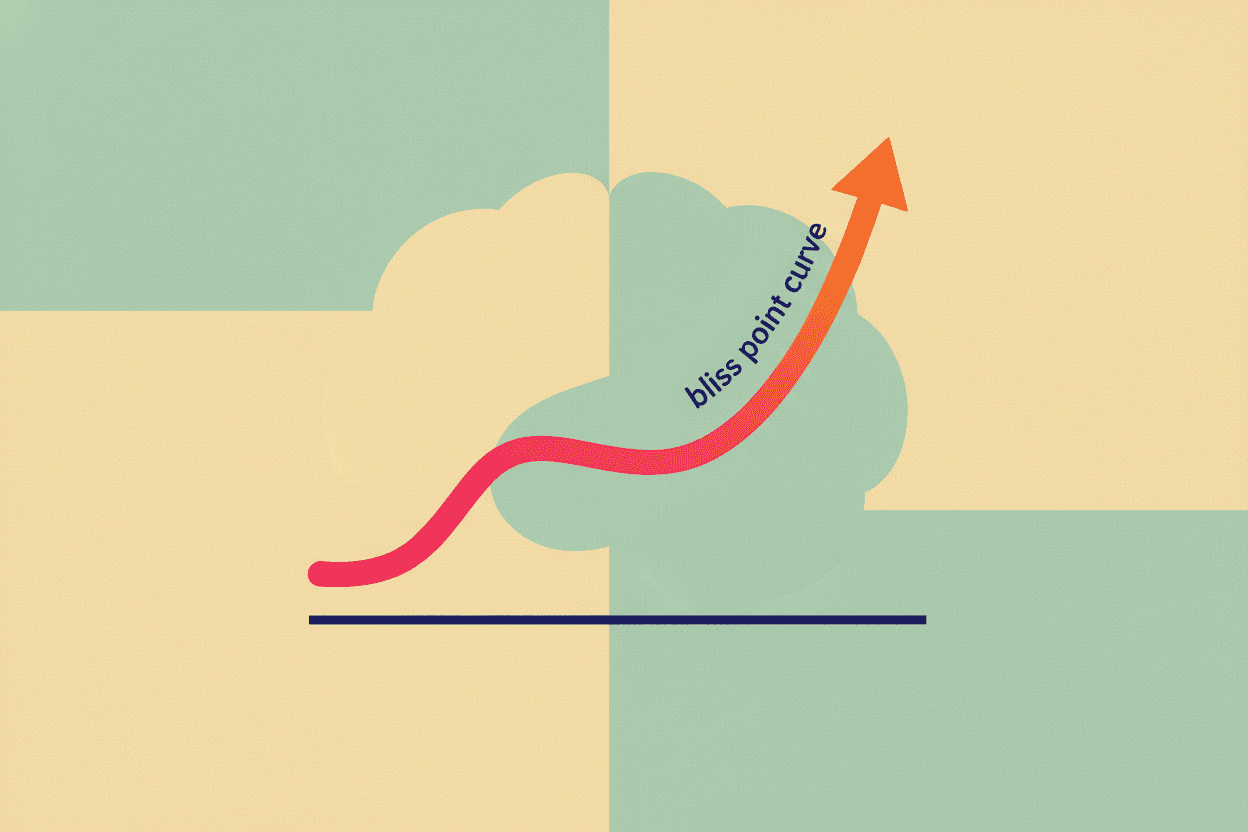
Here's where the dopamine fasting advocates stumble onto something legitimate—though they mischaracterize it entirely. Chronic overstimulation does alter the brain's dopaminergic system. Animal studies dating back to the 1990s demonstrate that repeated exposure to high-salience rewards (cocaine, high-fat food, even sugar water) reduces D2 receptor availability in the striatum. Fewer receptors means diminished response to everyday rewards—the neurobiological correlate of tolerance.
“"The brain responds to chronic stimulation by downregulating receptors. It's homeostatic regulation, not moral failure. But you can't selectively 'fast' from dopamine any more than you can fast from insulin.”
— Dr. Anna Lembke, Stanford University, author of Dopamine Nation
The key insight is that receptor changes occur over weeks to months of altered behavior, not hours of sitting in a dark room. The original dopamine fasting protocols—abstaining from stimulation for 24 hours—cannot meaningfully affect receptor density. Real neuroplastic change requires sustained intervention.
What Actually Works: Evidence-Based Protocols
If the Silicon Valley version is pseudoscience, what does the legitimate literature say about resetting reward circuitry? The answer points toward interventions that look nothing like ascetic deprivation.
1. Stimulus Control and Environment Design
Cognitive behavioral protocols for addiction don't eliminate stimulation—they restructure it. A 2018 meta-analysis of gambling disorder interventions found that stimulus control (removing cues associated with the behavior) was more effective than abstinence-only approaches. The key is not total deprivation but breaking the association between environmental cues and dopaminergic response.
This has direct implications for the real-world version of a "dopamine reset": changing your physical environment matters more than white-knuckle willpower. If your phone is in another room, the cue-response chain is interrupted. The dopamine system isn't being "fasted"—it's being reconditioned.
2. Behavioral Substitution and Opposing Actions
Dr. Judson Brewer's work at Brown University on mindfulness-based addiction treatment demonstrates that simply noticing the urge-satisfy cycle creates measurable brain changes. In a 2021 randomized controlled trial with 47,000 smartphone users, Brewer's app-based protocol (teaching people to pay attention to cravings without acting) reduced phone usage by 35% over three months—significantly outperforming screen-time limit apps.
The mechanism isn't dopamine deprivation. It's metacognitive awareness that weakens the automatic link between trigger and behavior. You're not fasting from dopamine; you're inserting a pause between stimulus and response.
“[!NOTE] Brewer's research emphasizes "reward substitution”
— finding alternative behaviors that provide genuine satisfaction, not just deprivation. The brain needs some source of positive prediction error to maintain motivation.
A 2020 study on social media cessation found that participants who reduced usage gradually over six weeks showed improved mood and attention compared to those who quit cold turkey for one week. Why? The gradual group allowed time for receptor resensitization and alternative reward pathways to develop. The cold-turkey group experienced a brief reset followed by a return to baseline—or worse, a rebound effect.
The Placebo Effect: Why Fasting "Works" for Some
Here's the uncomfortable truth that biohackers rarely acknowledge: dopamine fasting does produce subjective benefits for some practitioners. But the mechanism isn't neurological—it's psychological and social.
The act of formally committing to a restrictive practice creates a coherence effect: you've declared that your behavior is problematic, and the declaration itself shifts your relationship to it. This is identical to the mechanism behind Dry January or religious fasting. The benefit comes from the intentional break, not from neurotransmitter manipulation.
Additionally, the Silicon Valley context matters. For overworked tech workers, any prescribed period of rest will feel transformative. The fasting protocol functions as permission to do nothing—a radical act in a culture that pathologizes stillness. The dopamine framing is largely irrelevant to the actual benefit.
Implications: Building Better Behavioral Interventions
The popularity of dopamine fasting reveals something important about our cultural moment: people feel out of control around technology, food, and consumption, and they're desperate for solutions that feel scientific. The problem isn't the intuition that modern life overstimulates our reward systems—there's legitimate evidence for that. The problem is that the solution has been packaged as biohacking theater rather than sustainable behavioral change.
“"We don't need to fast from dopamine. We need to rebuild our capacity for sustained attention and delayed gratification”
— skills that have atrophied in an attention economy designed to exploit them."
The actual evidence-based protocol for resetting reward sensitivity involves:
Environmental restructuring over willpower-based abstinence
Sustained, gradual change rather than episodic cleanses
Behavioral substitution rather than pure deprivation
Metacognitive awareness of the urge-reward cycle
Social support and accountability structures
These aren't as marketable as a "24-hour dopamine reset," but they're what the neuroscience actually supports.
Conclusion: Beyond the Mythology
Dopamine fasting captured cultural attention because it promised a simple solution to a complex problem: our relationship with technology, consumption, and immediate gratification has become pathological, and we wanted a scientific-sounding fix. The reality is more uncomfortable. There is no 24-hour neurological reset. Receptor resensitization takes weeks of altered behavior. And the intervention that works isn't deprivation—it's deliberate reconstruction of how we interact with rewarding stimuli.
Key Takeaway The 'dopamine fast' is scientifically incoherent, but it points toward a real phenomenon: chronic overstimulation does dysregulate reward circuitry. Effective intervention requires sustained behavioral change, environmental design, and metacognitive awareness—not performative asceticism.
The most valuable aspect of the dopamine fasting trend may be its diagnostic function: it revealed how hungry people are for control over their attention and consumption. The solution isn't a Silicon Valley cleanse. It's the slower, less glamorous work of rebuilding the neural pathways that modern life has eroded.
Sources: Berridge & Robinson (2016), "Liking, Wanting, and the Incentive-Sensitization Theory of Addiction"; Lembke (2021), Dopamine Nation; Brewer et al. (2021), "Mindfulness training for smartphone addiction"; University of Chicago meta-analysis on stimulus control interventions (2018); Volkow et al. (2019), "Dopamine in the addicted brain"
This is a Premium Article
Hylē Media members get unlimited access to all premium content. Sign up free — no credit card required.