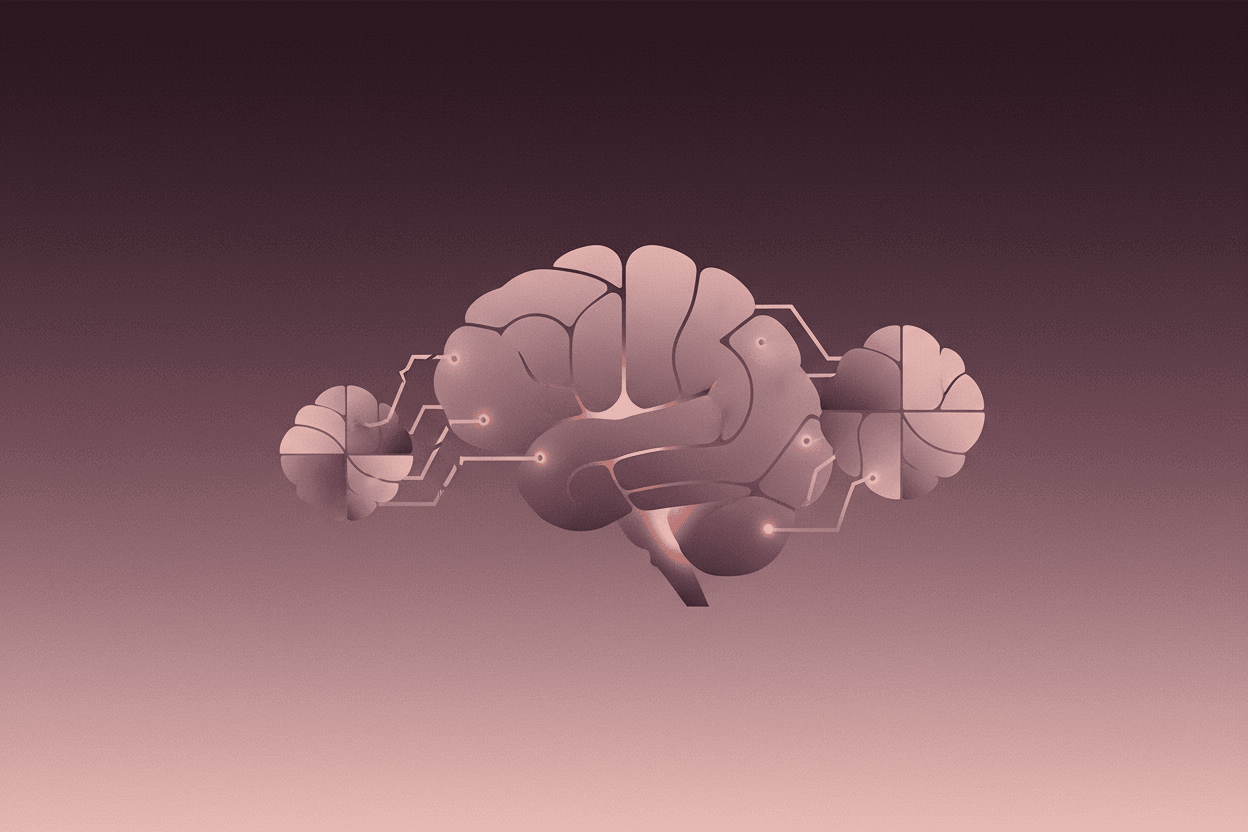
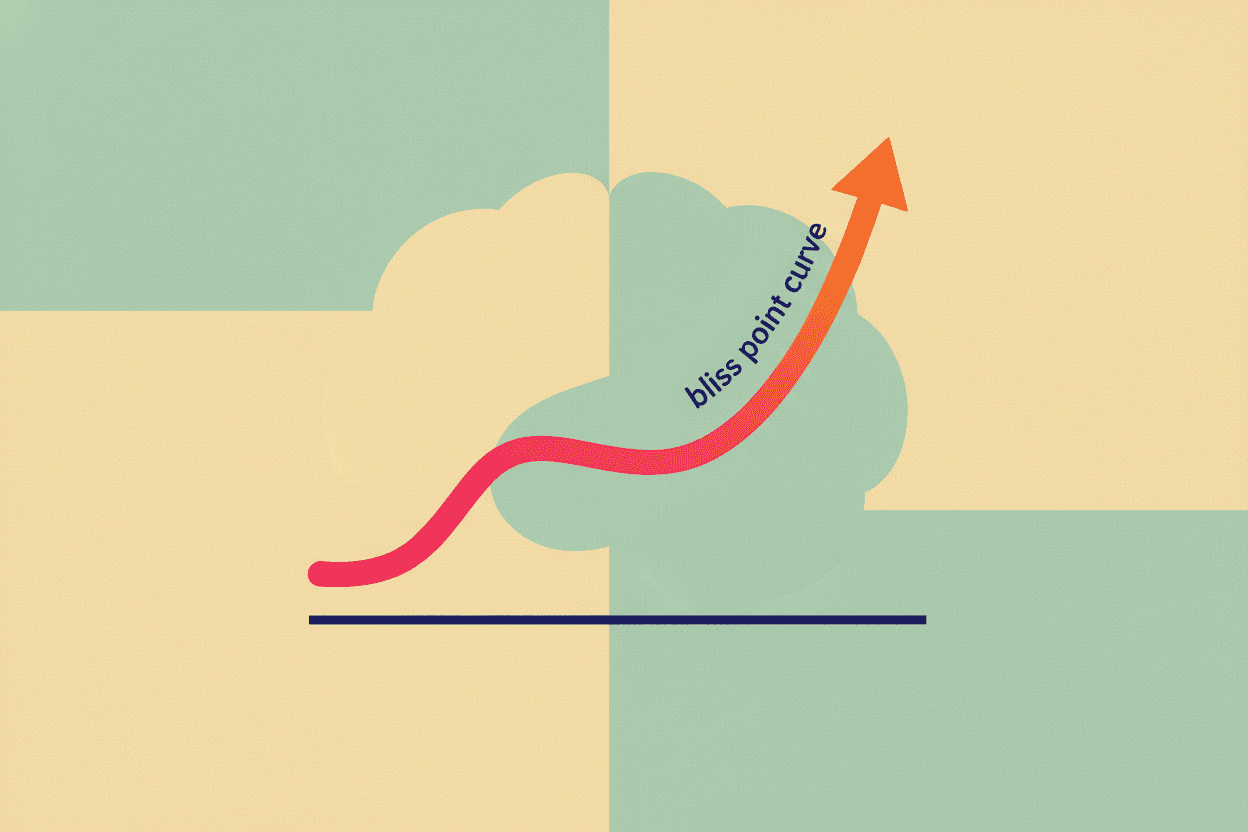
Addiction restructures your brain's reward circuitry and weakens impulse control. Discover why quitting is a hardware problem, not a willpower failure.
Hyle Editorial·
After chronic stimulant use, brain scans show the prefrontal cortex — the part responsible for impulse control — is measurably less active. Addiction is not a choice. It's a hardware problem.
In a landmark 2001 study at Brookhaven National Laboratory, researchers found that methamphetamine users had 15-20% fewer dopamine D2 receptors than non-users — and this deficit persisted for months after cessation. The brain had literally rewired itself, raising the threshold for any sensation of pleasure. The person wasn't weak-willed. Their neural hardware had been redesigned.
Dopamine doesn't work alone. It needs receptors — specifically D2 receptors in the nucleus accumbens — to transmit its signal. These receptors are the docking stations that allow dopamine to influence behavior, motivation, and the experience of reward.
When the brain is flooded with dopamine repeatedly through substances, gambling, or compulsive behaviors, it responds with a defensive adaptation called downregulation. The brain prunes back its own receptors to maintain homeostasis. It's like lowering the volume on a speaker that's been too loud for too long.
[!INSIGHT] The D2 receptor reduction creates a devastating double-bind: the baseline for feeling "normal" has been raised, while the capacity to reach that baseline has been diminished.
A 2012 meta-analysis in Nature Neuroscience confirmed that across multiple addictive behaviors — cocaine, alcohol, nicotine, and even obesity — D2 receptor availability consistently dropped by 10-25% in the striatum. The pattern was remarkably uniform regardless of the substance or behavior involved.
The New Baseline
Here's where the trap tightens. With fewer D2 receptors, everyday pleasures no longer register. Food tastes bland. Conversations feel empty. Hobbies lose their spark. The brain's pleasure threshold has been artificially elevated.
“"The addicted brain doesn't just want more”
— it literally cannot experience the same reward from natural stimuli that once brought joy."
This explains why addicts often describe feeling "numb" or "dead inside" during early recovery. They're not being dramatic. Their neural hardware is temporarily incapable of processing normal rewards.
The Prefrontal-Limbic Disconnect
Two Systems at War
The brain's decision-making architecture involves two critical regions: the prefrontal cortex (PFC), which handles executive function, impulse control, and long-term planning; and the limbic system, particularly the amygdala and nucleus accumbens, which drive immediate emotional responses and reward-seeking.
In a healthy brain, these systems communicate in a balanced dialogue. The limbic system proposes; the prefrontal cortex evaluates and modulates.
Chronic addiction disrupts this equilibrium in two ways:
Hypofrontality: Multiple fMRI studies show that the PFC becomes hypoactive in addicted individuals. A 2015 Yale study found that cocaine-dependent patients showed 18% less glucose metabolism in the orbitofrontal cortex compared to controls.
Amygdala Hyperactivation: Simultaneously, the amygdala — the brain's alarm system — becomes hypersensitive to stress and cues associated with the addictive behavior.
[!INSIGHT] The result is a neurobiological power imbalance: a screaming emotional brain paired with a whispering rational brain. The infrastructure for "willpower" has been physically compromised.
The 90-Day Threshold
Neuroimaging studies tracking recovering addicts reveal a crucial timeline. D2 receptor density begins recovering around 30 days of abstinence but doesn't reach near-normal levels until 90-120 days. Prefrontal cortex activity follows a similar trajectory.
This explains why relapse rates peak in the first 90 days. The brain is attempting to make decisions with impaired hardware. The very tool needed for impulse control — the prefrontal cortex — is the tool that's been most damaged.
Implications: Rethinking Recovery
Why Willpower Models Fail
The traditional moral model of addiction — that recovery is simply a matter of commitment and character — crumbles under neurobiological evidence. You cannot "think" your way past receptor deficits any more than you can "will" a broken leg to heal.
[!NOTE] This doesn't mean individuals are helpless. Neuroplasticity works both ways. But it does mean that recovery requires interventions designed for the actual problem: restoring neural circuitry, not just changing attitudes.
Evidence-Based Interventions
Understanding the neurological mechanisms points toward specific interventions:
Exercise: Aerobic exercise has been shown to increase D2 receptor density and stimulate brain-derived neurotrophic factor (BDNF), accelerating neural repair.
Medication-assisted treatment: Drugs like buprenorphine and naltrexone work not by replacing one addiction with another, but by stabilizing the dysregulated receptor system long enough for natural recovery to occur.
A 2019 Stanford study found that combining aerobic exercise with cognitive behavioral therapy increased abstinence rates by 34% compared to therapy alone — suggesting that addressing the hardware problem directly improves software interventions.
The Path Forward
The dopamine trap isn't a character flaw. It's a neurobiological remodeling that takes months to reverse. Understanding this doesn't remove personal responsibility — but it redirects it toward actions that actually work.
Key Takeaway
Recovery isn't about fighting harder. It's about giving your brain the time, support, and stimulation it needs to rebuild the receptor density and prefrontal function that makes choice possible again. The hardware can be repaired — but not through willpower alone.
Sources: Volkow, N.D., et al. (2001). "Low level of brain dopamine D2 receptors in methamphetamine abusers." American Journal of Psychiatry. Belin, D., et al. (2012). "Parallel and interactive learning processes within the basal ganglia." Nature Neuroscience. Goldstein, R.Z., et al. (2015). "The neurobiology of impaired control over drug use." Trends in Cognitive Sciences. Smith, M.A., et al. (2019). "Aerobic exercise as an adjunct therapy for substance use disorders." Frontiers in Psychiatry.
This is a Premium Article
Hylē Media members get unlimited access to all premium content. Sign up free — no credit card required.