The Robot That Will Actually Enter Your Home First
Forget humanoid robots. The machines colonizing our homes are single-purpose, relentless, and already here. Discover why specialization beats generalization.
Hyle Editorial·
The first robot to truly colonize your home won't be humanoid. It won't be smart. It will do exactly one thing — and that's why it will win.
In 2023, consumers purchased over 14 million robotic vacuum cleaners worldwide. Meanwhile, Tesla's Optimus humanoid remains a prototype, and Boston Dynamics' Atlas still can't fold your laundry. The gap between what robotics marketing promises and what actually ships to doorsteps reveals an uncomfortable truth: we've been waiting for the wrong robot.
iRobot launched the first Roomba in 2002. Twenty-two years later, the company has sold more than 40 million units. The device doesn't converse with you, can't fetch drinks, and possesses roughly the intelligence of an insect. Yet it has accomplished something Elon Musk's Optimus only achieves in carefully staged demos: it lives in millions of homes, performing useful work every single day.
[!INSIGHT] The Roomba succeeded not despite its limitations, but because of them. By constraining its domain to "flat floors and dust," engineers solved a tractable problem rather than an impossible one.
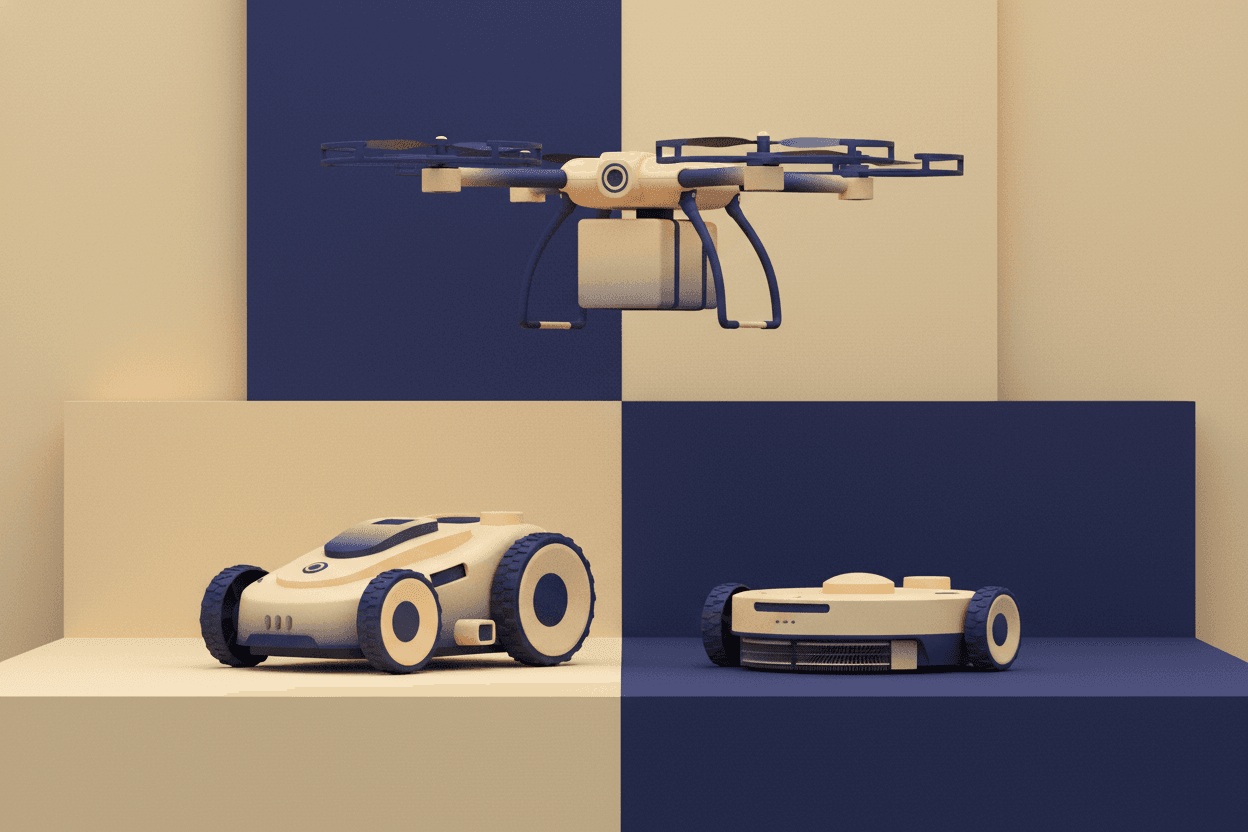
This pattern repeats across robotics. Consider Serve Robotics, whose delivery robots now navigate sidewalks in Los Angeles, San Francisco, and Fairfax. These four-wheeled coolers carry takeout orders from restaurants to hungry customers. They can't climb stairs, can't cook, can't do anything except move food from point A to point B. But that singular focus has enabled Level 4 autonomy in public spaces — something no general-purpose robot has achieved at scale.
The economics are brutal. A Roomba costs $200-1,000. A humanoid robot capable of matching its floor-cleaning utility would cost upwards of $50,000 today and still fail frequently. Specialization collapses the problem space, reduces sensor requirements, simplifies software, and creates products that actual humans can afford.
The Gradual Encroachment Strategy
Walk through an Amazon warehouse and you'll encounter another member of this single-purpose army: Proteus, the company's first fully autonomous mobile robot. It lifts and moves GoCarts — nothing more. In 2023, Amazon deployed over 750,000 robots across its fulfillment network. Not one is humanoid.
Agility Robotics takes this philosophy further with Digit, a bipedal robot designed exclusively for warehouse logistics. It lifts totes, places them on conveyor belts, and charges itself. The company raised $150 million in Series B funding in 2023, with Amazon itself participating. Digit doesn't aspire to be your butler. It aspires to move boxes — and investors are betting billions that this narrow ambition represents the profitable path forward.
“"We're not trying to build a general-purpose robot. We're trying to build a robot that does a specific job really well, and then figure out how to do that job 10 times cheaper.”
— Damion Shelton, CEO of Agility Robotics
The pattern extends beyond commercial applications into elder care. ElliQ, developed by Intuition Robotics, sits on desks and kitchen counters in hundreds of seniors' homes. It suggests activities, reminds users to take medication, and initiates video calls with family. It has no arms, no legs, no mobility. But it addresses a specific crisis: the 53 million Americans over 65 experiencing loneliness and cognitive decline.
[!NOTE] ElliQ users average 20 interactions per day with the device, according to the company's data. The robot's constraints — stationary, tablet-like, conversation-focused — transform it from an intimidating machine into something closer to a companion object.
Why Humanoids Keep Failing the Front Door Test
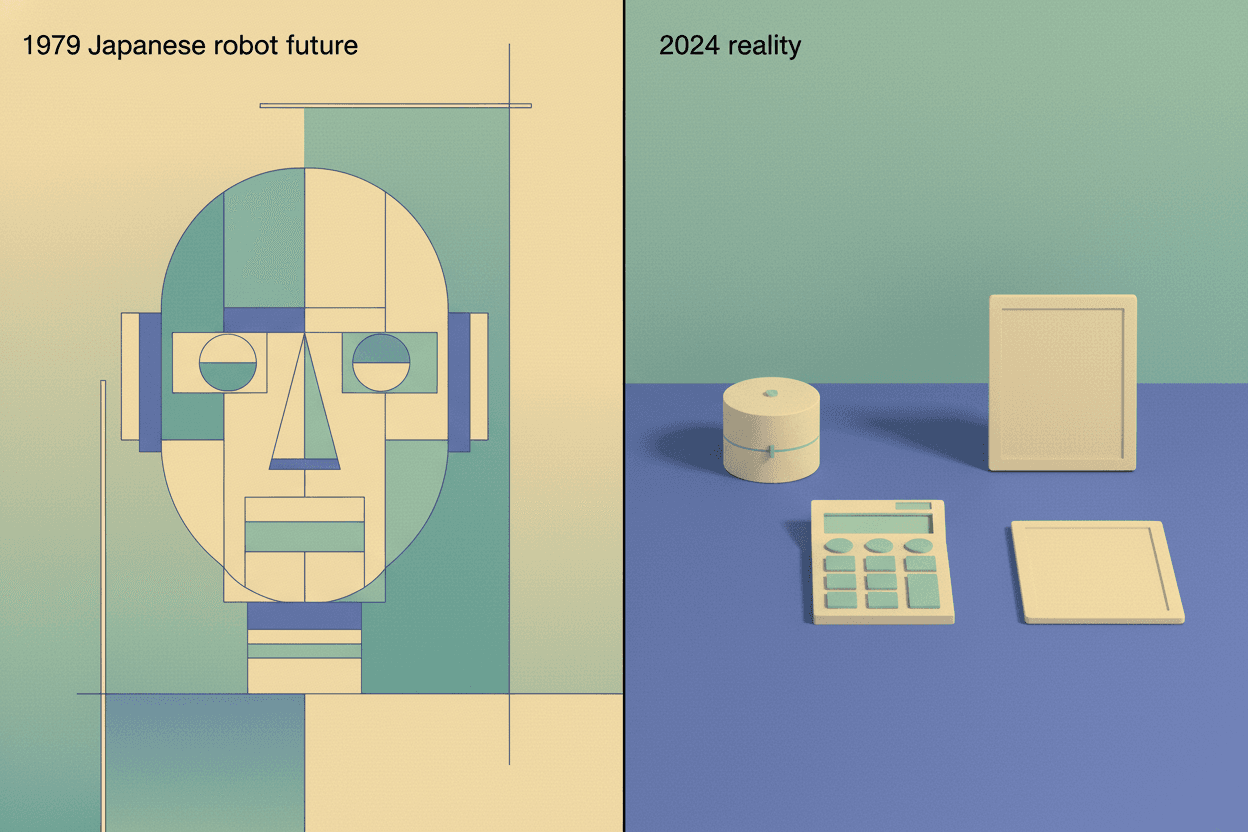
Every few years, a new humanoid robot captures the public imagination. Honda's ASIMO. SoftBank's Pepper. Boston Dynamics' Atlas. Each time, the same cycle repeats: viral videos, breathless coverage, predictions of domestic revolution — and then silence. Pepper was discontinued in 2021. ASIMO was retired in 2018. Atlas remains a research platform, not a product.
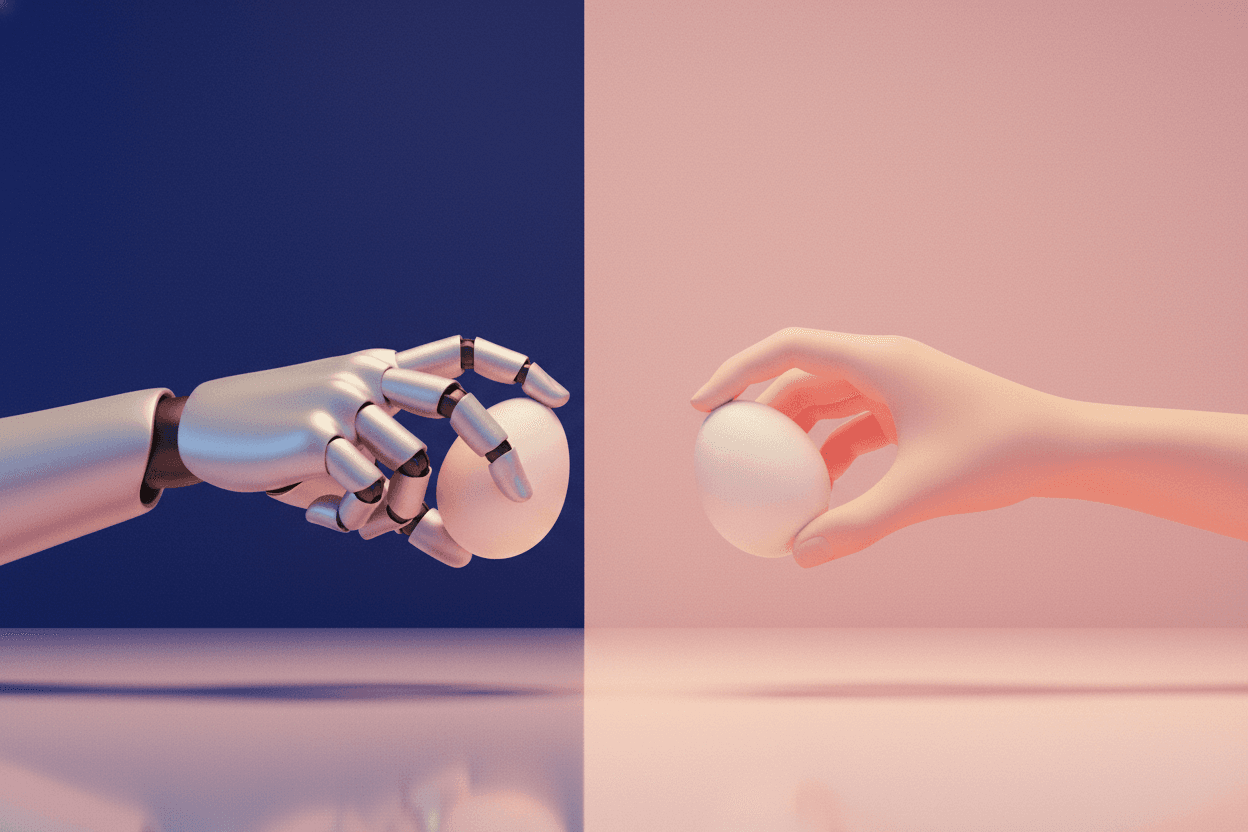
The failure isn't technological. It's conceptual. A humanoid robot must solve every problem simultaneously: vision, manipulation, navigation, communication, power management, safety. Each subsystem introduces failure modes. Multiply them together and you get a machine that works in demos but breaks in the chaos of real homes.
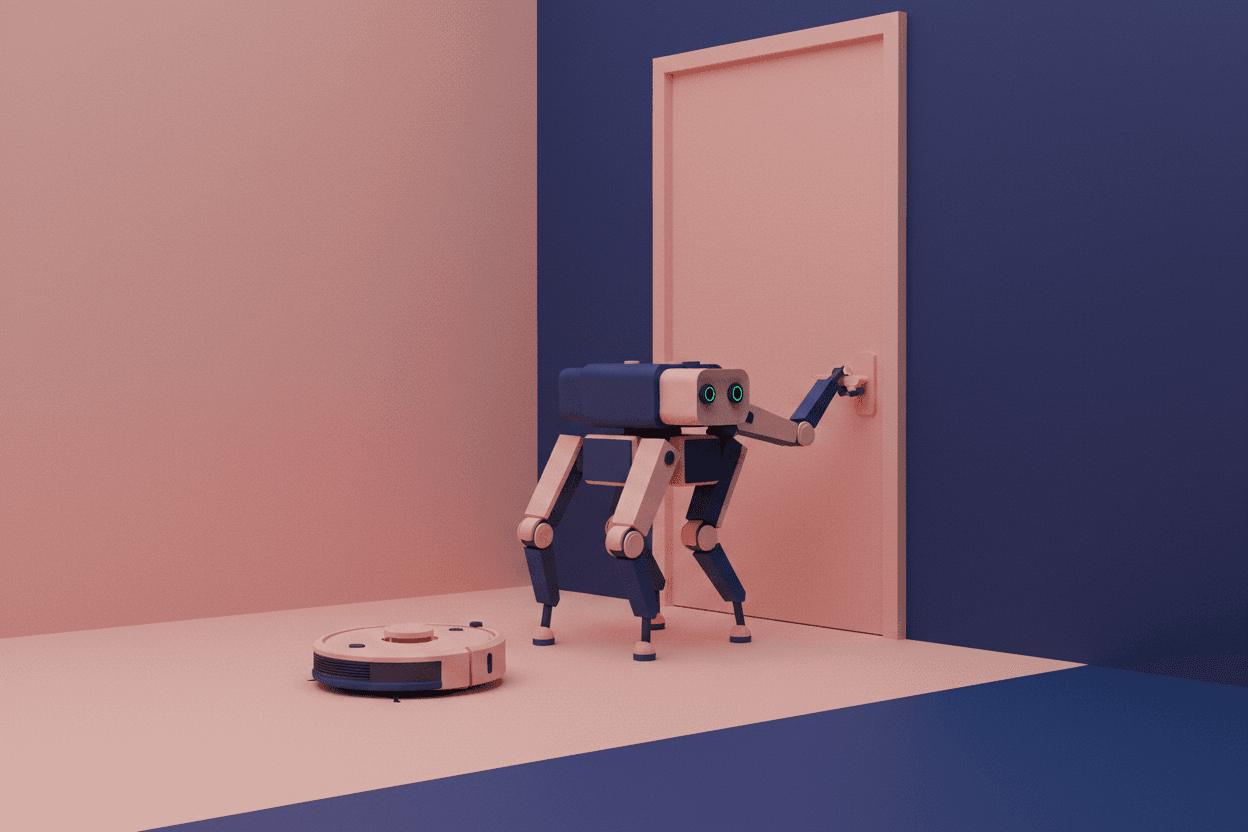
Homes contain stairs, clutter, pets, children, unexpected obstacles, and infinite variation in furniture arrangement. A robot that works 95% of the time is not a product — it's a liability. When your Roomba gets stuck on a sock, you rescue it and move on. When your $50,000 humanoid falls down stairs, you sue.
[!INSIGHT] The tolerance for failure in home robotics approaches zero. Single-purpose robots can be engineered to fail gracefully within their narrow domains. General-purpose robots cannot.
The Incremental Path to Pervasiveness
The robots entering homes over the next decade will follow the Roomba model, not the Optimus model. Each will solve one problem: lawn mowing (already 2 million units sold annually), window cleaning, gutter maintenance, pet feeding, security patrolling. They won't look human. They'll look like appliances.
This incrementalism has a hidden consequence: normalization. Every Roomba sold makes the next home robot slightly more acceptable. Every ElliQ deployed accustoms families to algorithmic companionship in domestic spaces. The uncanny valley narrows not through better humanoid design, but through accumulated exposure to non-humanoid machines.
By 2030, a typical suburban home might contain five to ten specialized robots: floor cleaner, lawn mower, pool skimmer, security patroller, elder companion, toy sorter. None will be humanoid. None will be "smart" in the sense of general intelligence. But collectively, they will have transformed what it means to live with machines.
"The question isn't when robots will enter our homes. The question is why we keep waiting for butlers when the invasion already happened through the back door."
The Future Is Narrow
Key Takeaway: The domestic robotics revolution will arrive through a thousand specialized devices, not one general-purpose humanoid. Companies building single-purpose robots that solve expensive problems cheaply will colonize homes first. The rest is science fiction.
Sources: iRobot corporate reports 2023; Serve Robotics SEC filings; Amazon robotics deployment data 2023; Agility Robotics funding announcements; Intuition Robotics ElliQ user studies; International Federation of Robotics World Robotics 2023 report.
This is a Premium Article
Hylē Media members get unlimited access to all premium content. Sign up free — no credit card required.