Your Blood Is Plastic
Scientists found microplastics in 77% of human blood samples. This isn't pollution anymore—it's becoming part of our biology. Here's what we know.
The Plastic Inside You
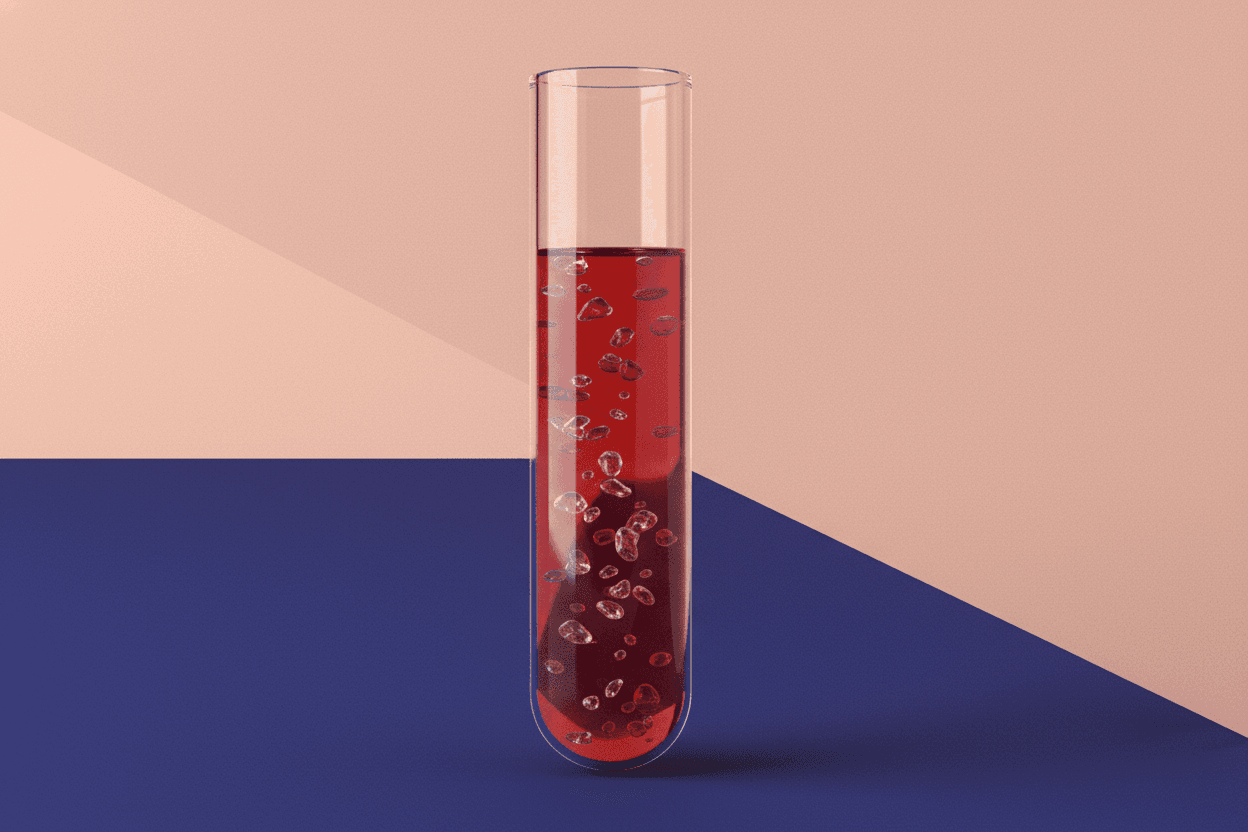
In 2022, scientists tested 22 healthy volunteers. 17 of them had microplastics in their blood. You're almost certainly one of them.
A landmark study published in Environment International detected plastic particles in human bloodstream at concentrations ranging from 1.6 to 88.6 µg/mL. Let that sink in: your circulatory system—the river that delivers oxygen to your brain, filters waste through your kidneys, and keeps your heart beating—is now carrying synthetic polymers that didn't exist a century ago.
The question is no longer whether plastic has invaded the human body. The question is: what is it doing there?
The 2022 Blood Study: Methodology and Findings
The research team, led by Heather Leslie and Dick Vethaak at Vrije Universiteit Amsterdam, developed a novel analytical technique to solve a problem that had plagued earlier studies: contamination. Plastic is everywhere—in lab equipment, clothing, even the air—making it notoriously difficult to prove that particles found in samples actually came from inside the body.
Their solution was rigorous. They used glass equipment instead of plastic. They filtered the air in the analysis chamber. They ran blank controls to establish background contamination levels. When they applied this protocol to blood samples from 22 healthy adult donors, the results were unambiguous.
80% of samples contained measurable quantities of plastic particles.
The types of plastic detected tell a story of modern life:
-
Polyethylene terephthalate (PET): Found in 50% of positive samples. This is the polymer used in water bottles, food containers, and synthetic fibers. Every time you drink from a plastic bottle, you may be adding to your body's polymer burden.
-
Polystyrene (PS): Detected in 36% of positive samples. Think takeout containers, disposable cups, and packaging foam.
-
Polyethylene (PE): Present in 23% of positive samples. This is the most common plastic globally, used in bags, films, and countless consumer products.
[!INSIGHT] The concentration range matters enormously. At 88.6 µg/mL—the highest concentration detected—we're not talking about trace contamination. We're talking about a biologically significant presence that cannot be dismissed as analytical noise.
The Size Problem: Nanoplastics vs. Microplastics
The study focused on particles larger than 700 nanometers. But here's the unsettling truth: the smaller the particle, the more dangerous it may be.
Microplastics are defined as particles between 1 micrometer and 5 millimeters. Nanoplastics—particles smaller than 1 micrometer—can cross biological barriers that larger particles cannot. They can enter cells. They can accumulate in organelles. They may even cross the blood-brain barrier.
Current detection technology struggles to identify particles below 700 nm, meaning the study likely underestimated total plastic burden. As analytical techniques improve, expect the reported contamination levels to rise.
Beyond Blood: The Full Picture of Human Contamination
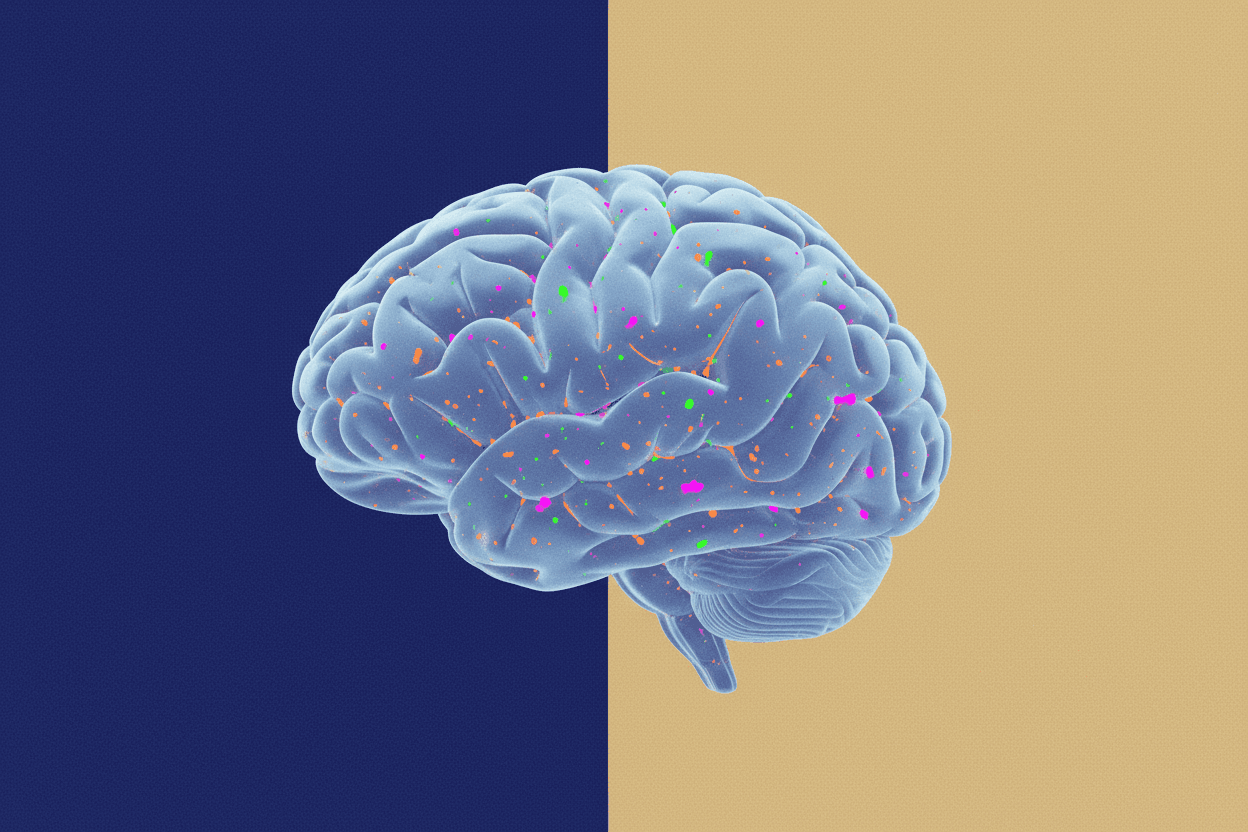
The blood study was not an isolated finding. A growing body of research has documented microplastics in virtually every compartment of the human body.
Placenta: The First Exposure
In 2021, Italian researchers published a study in Environment International examining placentas from six healthy pregnancies. They found microplastic fragments on both the fetal and maternal sides, as well as in the membrane surrounding the fetus.
“"We detected plastic in the placenta, which is the first organ that is formed during embryogenesis. It means that the embryo is growing in an environment already contaminated by plastic.”
Twelve plastic fragments were identified in four of the six placentas. All were pigmented, suggesting they originated from paints, coatings, or cosmetics rather than clear packaging. Five were on the fetal side—meaning they had crossed the placental barrier that protects the developing fetus from most foreign substances.
Breast Milk: Passing It Forward
A 2022 study in Polymers analyzed breast milk from 34 healthy mothers in Rome. Microplastics were detected in 26 samples—76% of the total.
The concentration ranged from 5 to 322 particles per gram of milk. The most common polymers were polyethylene, polypropylene, and PVC—the same plastics dominating environmental pollution. Mothers who consumed fish, used plastic food containers, or drank from plastic bottles showed higher contamination levels, though the correlation was not absolute.
Heart Tissue: Plastic in the Pump
Perhaps most alarming is the 2023 study published in Environmental Science & Technology that examined heart tissue from patients undergoing cardiac surgery. Researchers found microplastics in heart tissue samples from 15 patients.
The particles were present in multiple locations: atrial tissue, ventricular tissue, and even the pericardial fluid surrounding the heart. In one case, they identified nine different plastic types in a single patient's heart.
[!INSIGHT] The presence of microplastics in heart tissue raises questions that cardiologists cannot yet answer. Do these particles affect electrical conduction? Do they contribute to inflammation? Do they accelerate atherosclerosis? The research hasn't been done.
The Pharmacokinetics Question: Absorption, Distribution, Metabolism, Excretion
When pharmaceutical companies develop a new drug, they must answer four fundamental questions:
- Absorption: How does the compound enter the body?
- Distribution: Where does it go once inside?
- Metabolism: How is it broken down?
- Excretion: How is it eliminated?
For microplastics, we have only fragmentary answers to all four.
Absorption Pathways
We know microplastics enter the body through multiple routes:
- Ingestion: Estimated at 0.1–5 grams per week through food and water. Shellfish, salt, and beer are significant sources.
- Inhalation: Indoor air contains 1–60 microplastic particles per cubic meter, largely from synthetic textiles. At rest, an average adult inhales about 10,000 liters of air daily.
- Dermal absorption: The least understood pathway. Nanoplastics in cosmetics and personal care products may penetrate skin, but data is limited.
Distribution: The Circulatory Highway
Once in the bloodstream, plastic particles follow the same distribution patterns as any other particulate matter. They can lodge in capillary beds, accumulate in the liver and spleen (which filter blood), and potentially deposit in tissues with high blood flow.
Particle size determines distribution. Larger microplastics may be trapped in the liver. Smaller nanoparticles could theoretically reach any tissue with adequate blood supply—including the brain.
Metabolism: We Don't Break Plastic Down
Here's the critical difference between plastics and pharmaceuticals: your body has no enzymatic pathway to degrade synthetic polymers. PET, polystyrene, polyethylene—these are molecules that evolution never prepared human biochemistry to process.
The particles may fragment further in the body, creating smaller and smaller pieces. But the carbon-carbon backbone of most plastics remains intact. This is why plastic persists in the environment for centuries, and why it persists in your body.
Excretion: Some Leaves, Some Stays
Animal studies suggest that some microplastics are excreted through feces. But the efficiency of excretion depends on particle size, surface chemistry, and location. Particles that embed in tissue may never leave.
[!NOTE] The half-life of microplastics in the human body is completely unknown. Without longitudinal studies tracking individuals over years or decades, we cannot say whether the plastic in your blood today will still be there in five years—or whether it will accumulate over a lifetime of exposure.
The Toxicological Unknowns: What Might Plastic Be Doing to Us?
We are running an uncontrolled experiment on the entire human population. There is no control group. Everyone on Earth has been exposed to microplastics.
This makes epidemiological research extremely difficult. When exposure is universal, you cannot compare exposed vs. unexposed populations to isolate health effects.
What we do have is:
1. Mechanistic Plausibility
Laboratory studies on human cells and animal models demonstrate several potential mechanisms of harm:
- Oxidative stress: Plastic particles can generate reactive oxygen species, damaging cellular components.
- Inflammation: The immune system recognizes plastic as foreign, triggering inflammatory responses that, if chronic, contribute to disease.
- Endocrine disruption: Many plastics contain or adsorb chemicals that interfere with hormone signaling—bisphenol A, phthalates, and persistent organic pollutants.
- Genotoxicity: Some studies suggest nanoparticles can damage DNA directly.
2. Correlational Evidence
A 2024 study in the New England Journal of Medicine followed 257 patients who underwent carotid endarterectomy (surgery to remove plaque from neck arteries). Those with microplastics detected in their arterial plaque had a 4.5 times higher risk of heart attack, stroke, or death over the following 34 months.
Correlation is not causation. But a hazard ratio of 4.5 is impossible to ignore.
Why This Is Not Just an Environmental Problem
For decades, plastic pollution was framed as an ecological issue: turtles choking on bags, seabirds with stomachs full of caps, garbage patches the size of Texas in the Pacific.
That framing allowed most people to treat it as someone else's problem—or at least, a problem that existed "out there" in nature, not "in here" in their own bodies.
The 2022 blood study changed that. When researchers at Vrije Universiteit Amsterdam published their findings, media coverage was extensive. Finally, the reality hit home: plastic is not just polluting the environment. It is polluting us.
This reframing has profound implications:
-
Regulatory urgency: Environmental regulations move slowly. Health regulations move faster. If microplastics are confirmed as a human health hazard, the pressure on manufacturers will intensify dramatically.
-
Personal behavior: People who don't care about sea turtles may care deeply about their own cardiovascular health. The blood study makes plastic exposure personal.
-
Medical research funding: The pharmaceutical industry has little financial incentive to study a problem that no pill can solve. But public health agencies and academic institutions must now prioritize microplastic toxicology.
Sources: Leslie, H.A., et al. (2022). Discovery and quantification of plastic particle pollution in human blood. Environment International, 163, 107199. • Ragusa, A., et al. (2021). Plasticenta: First evidence of microplastics in human placenta. Environment International, 146, 106274. • Pivokonský, M., et al. (2022). Microplastics in human breast milk. Polymers, 14(19), 4127. • Marfella, R., et al. (2024). Microplastics and nanoplastics in atheromas and cardiovascular events. New England Journal of Medicine, 390(10), 900-910.